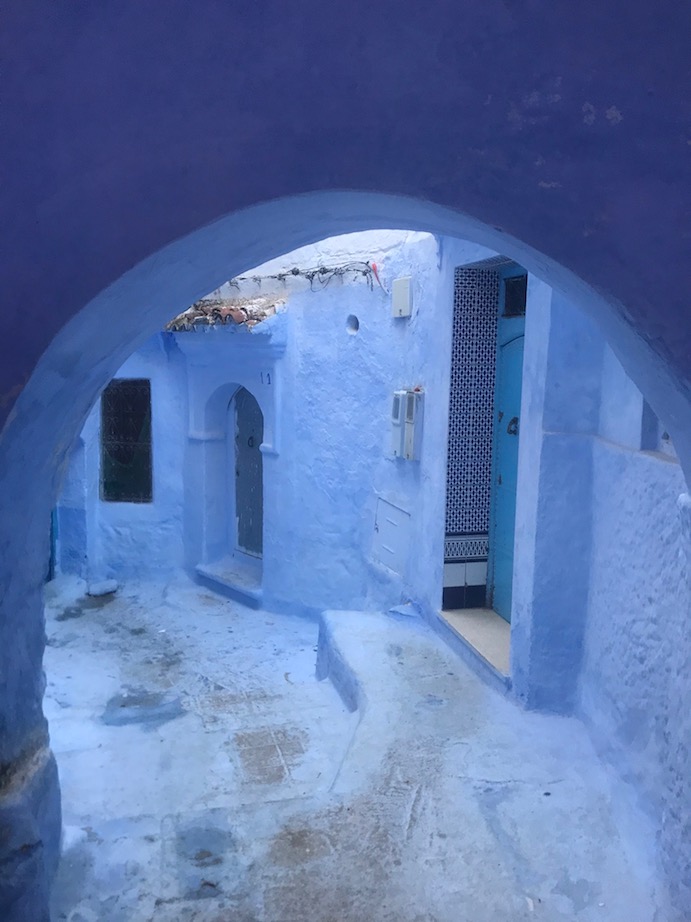
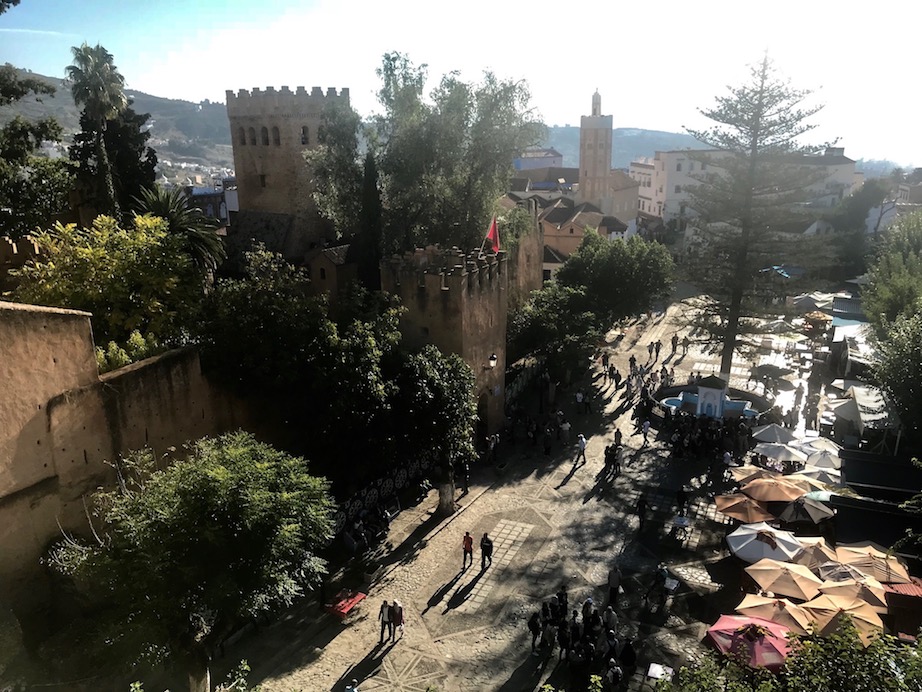
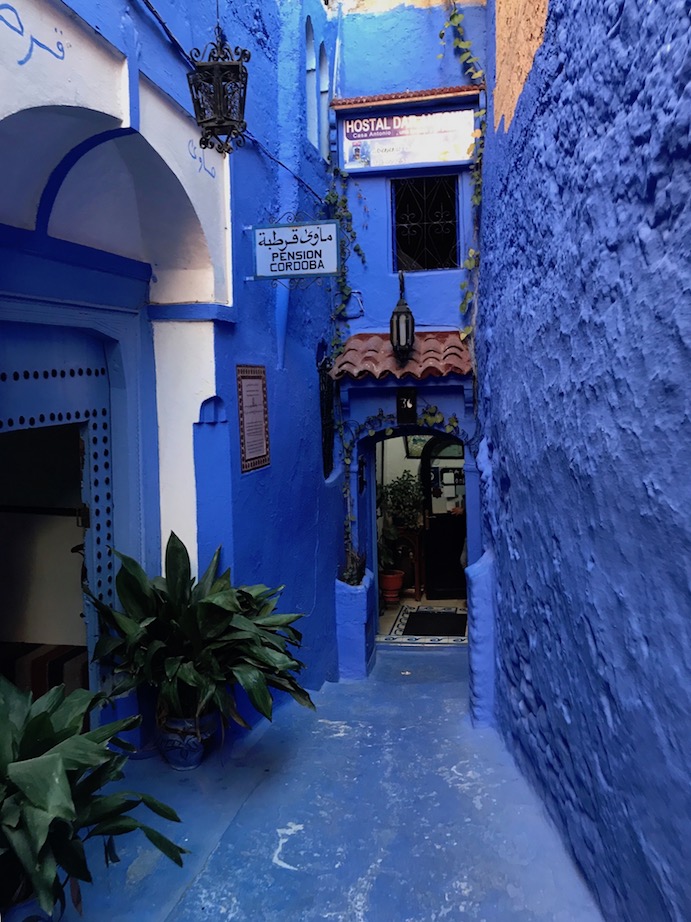
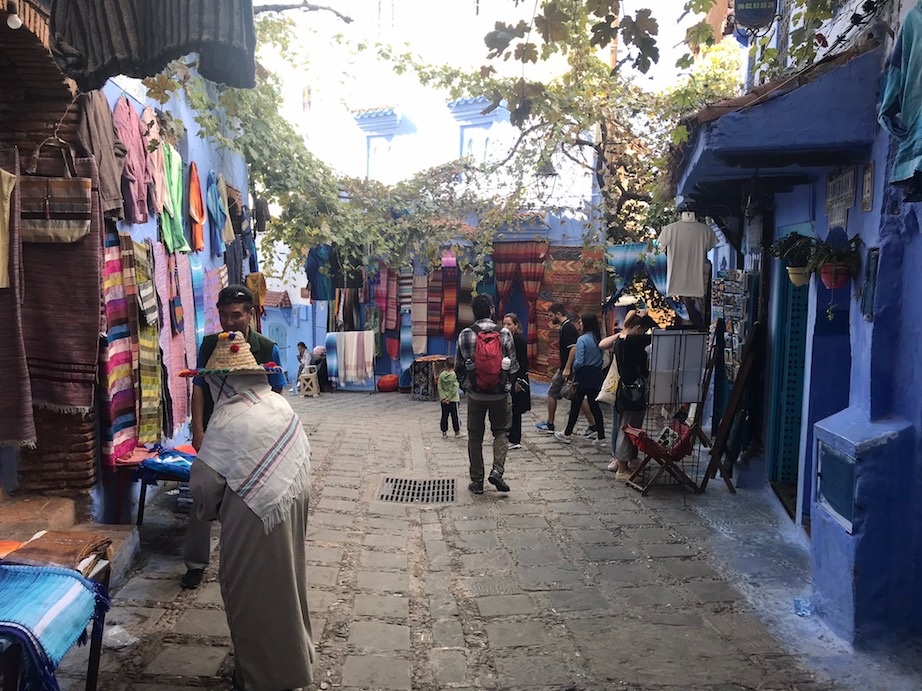
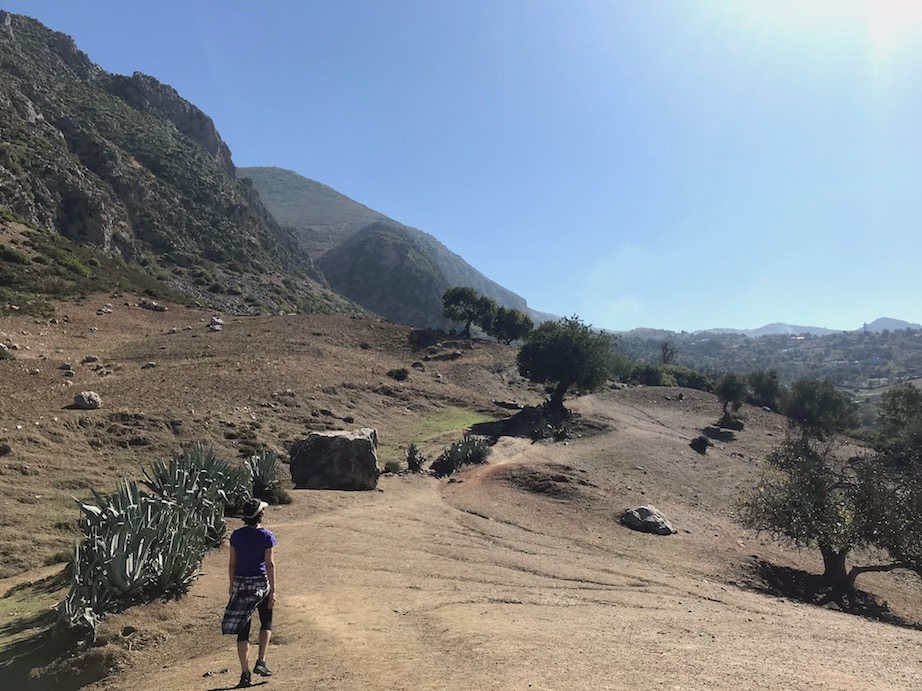
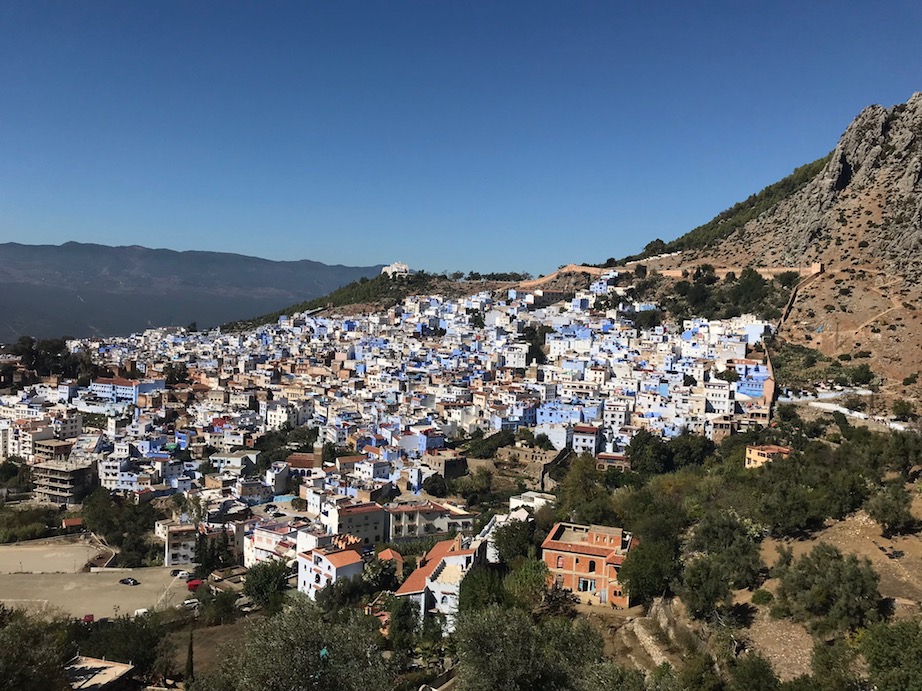
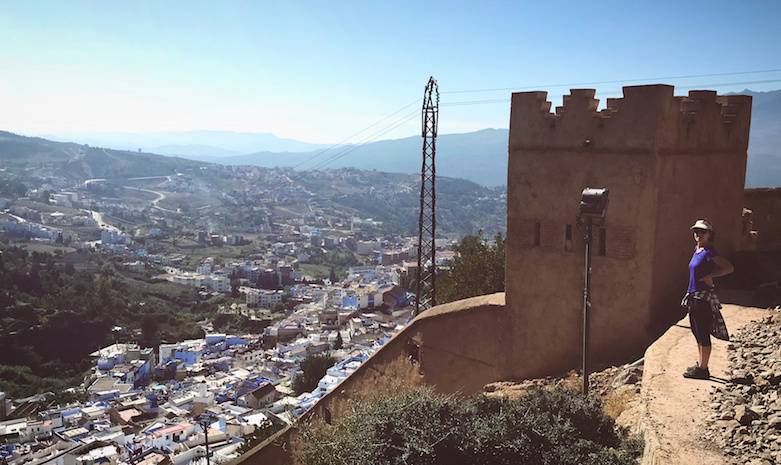
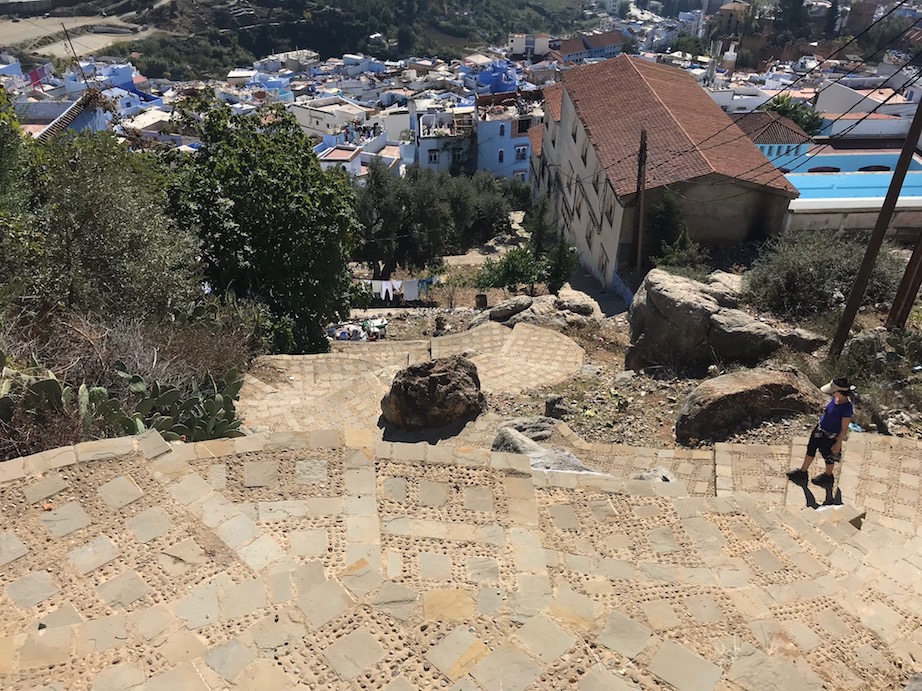
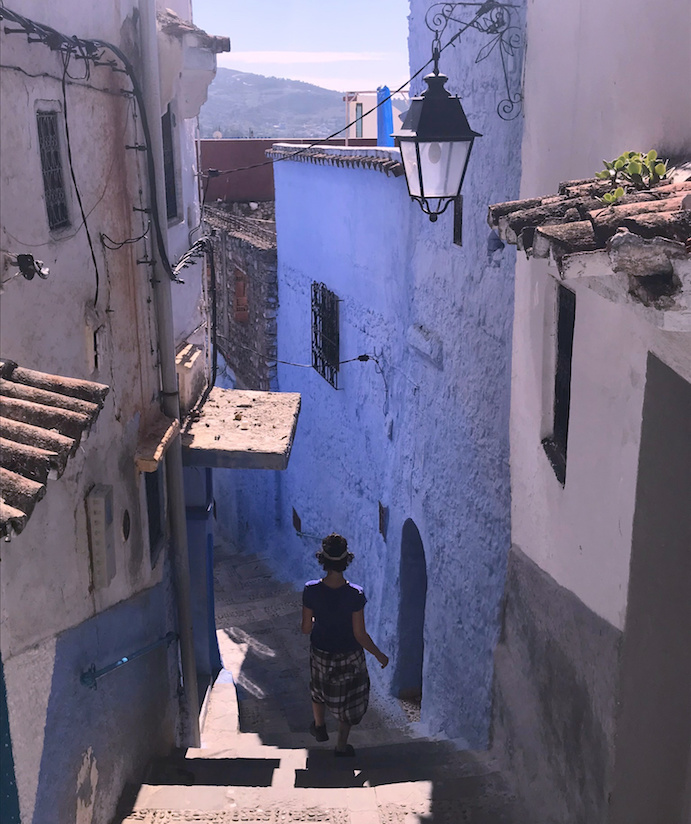
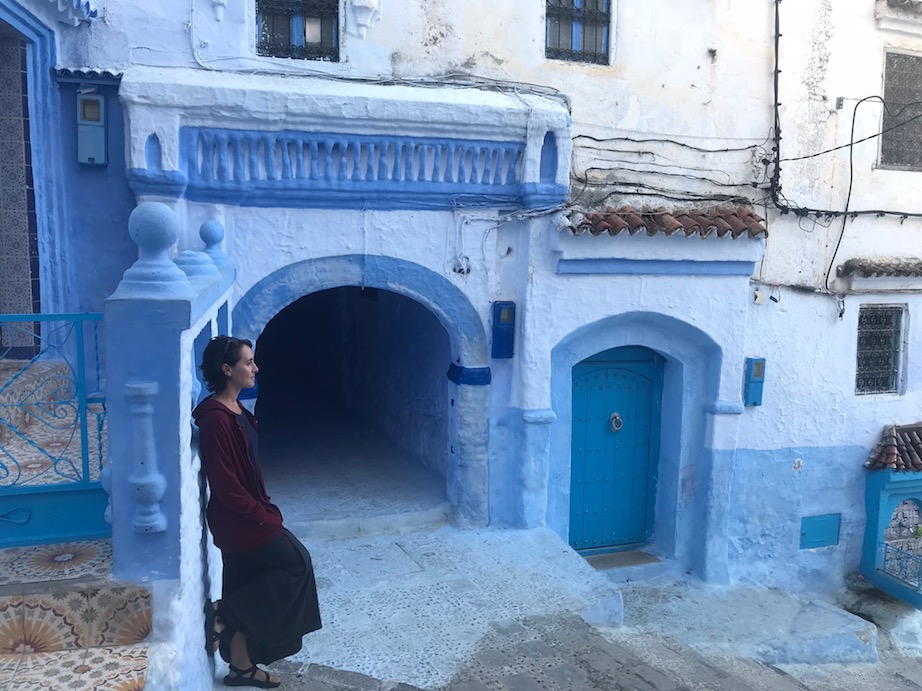
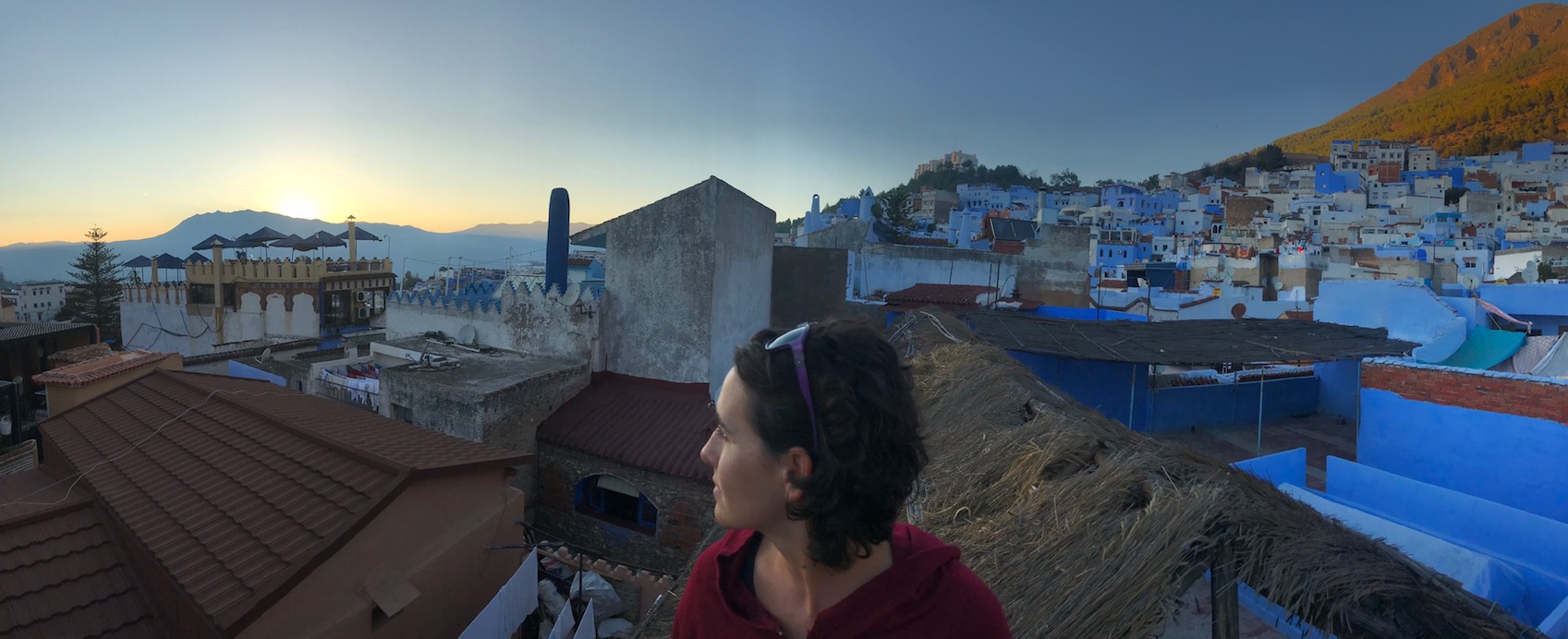
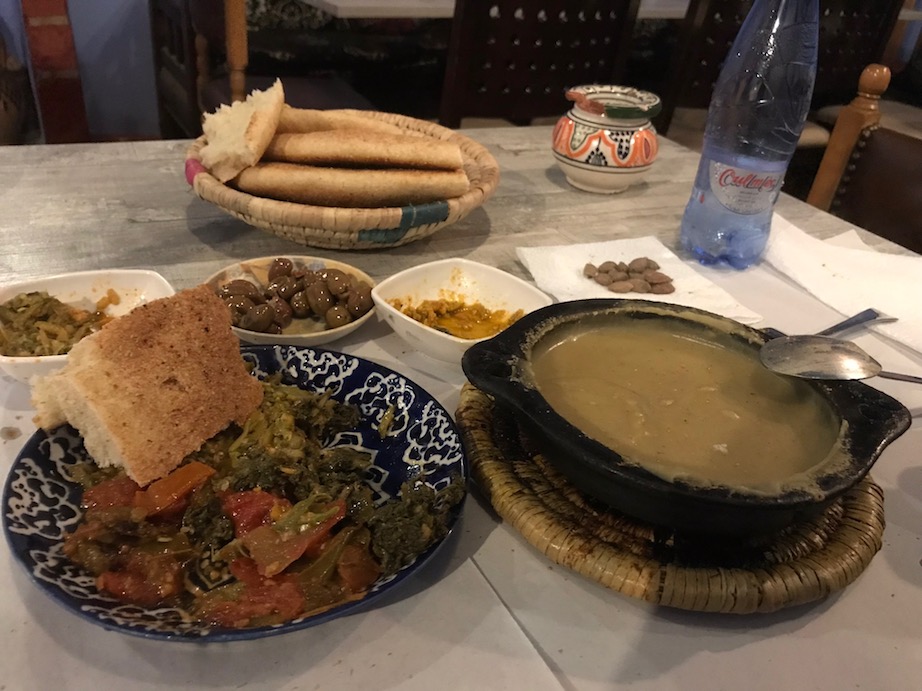
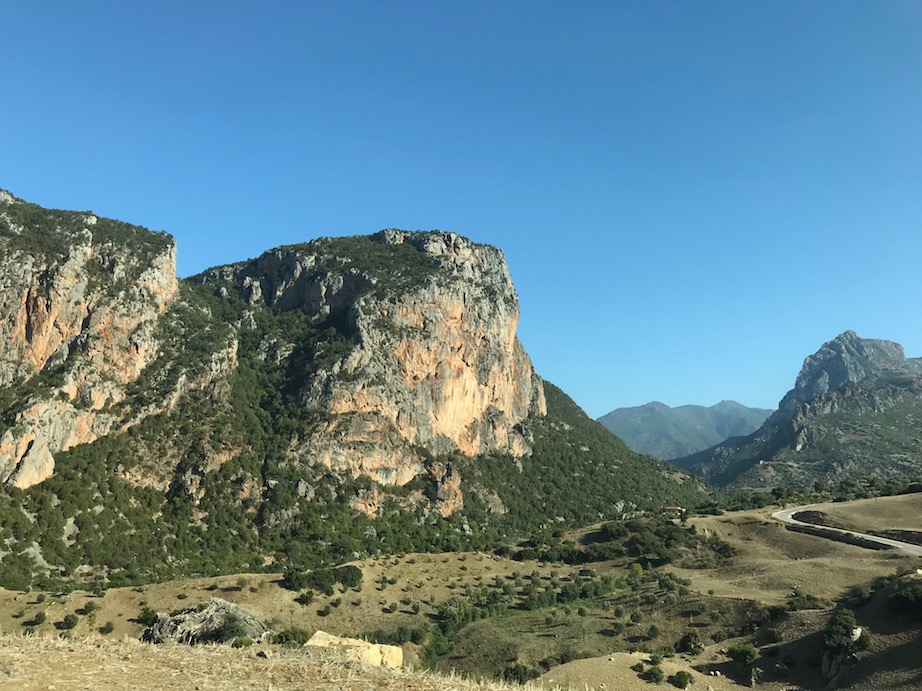
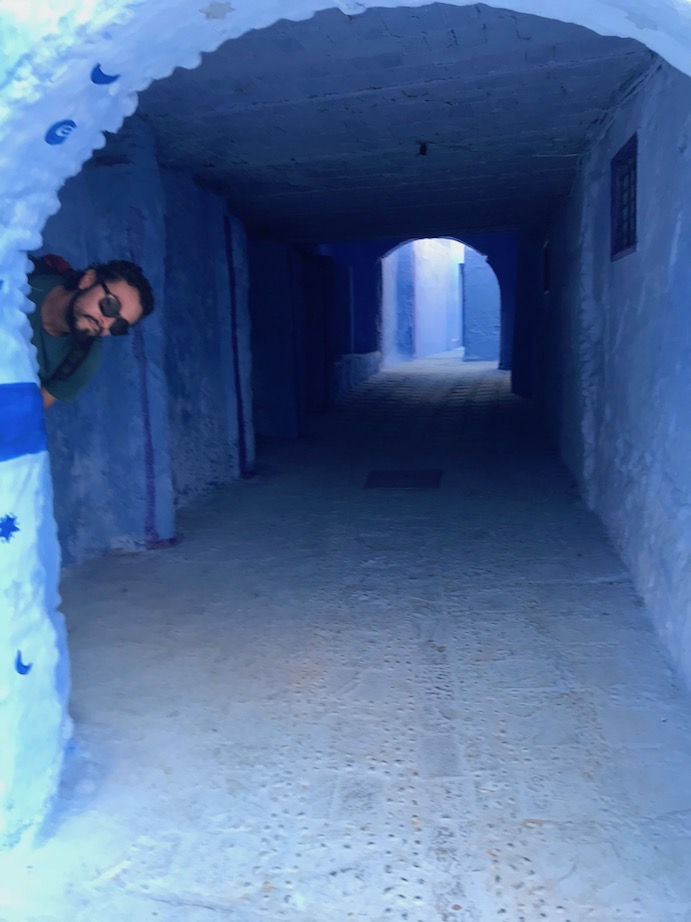
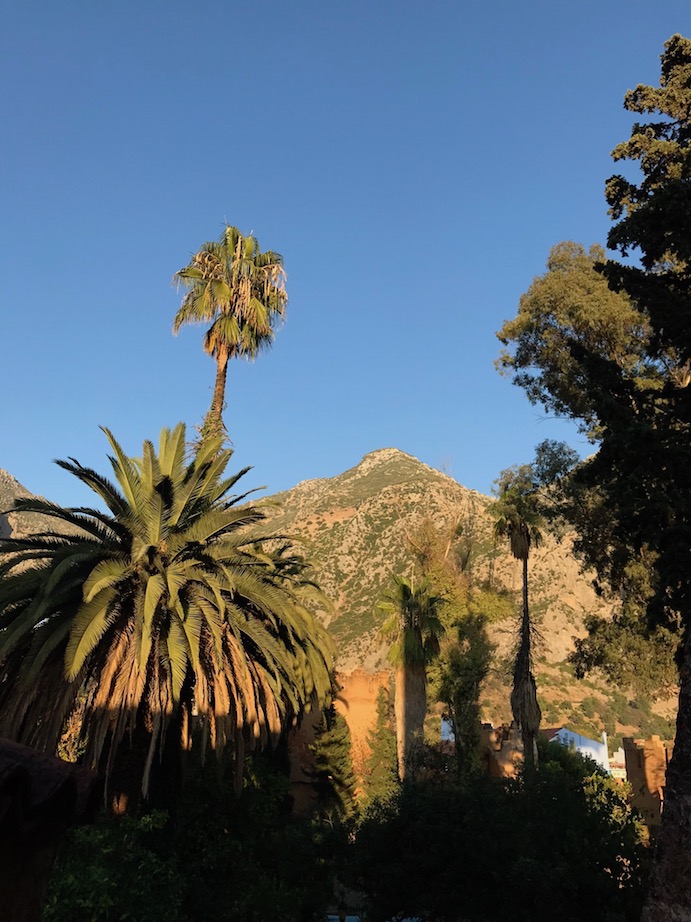
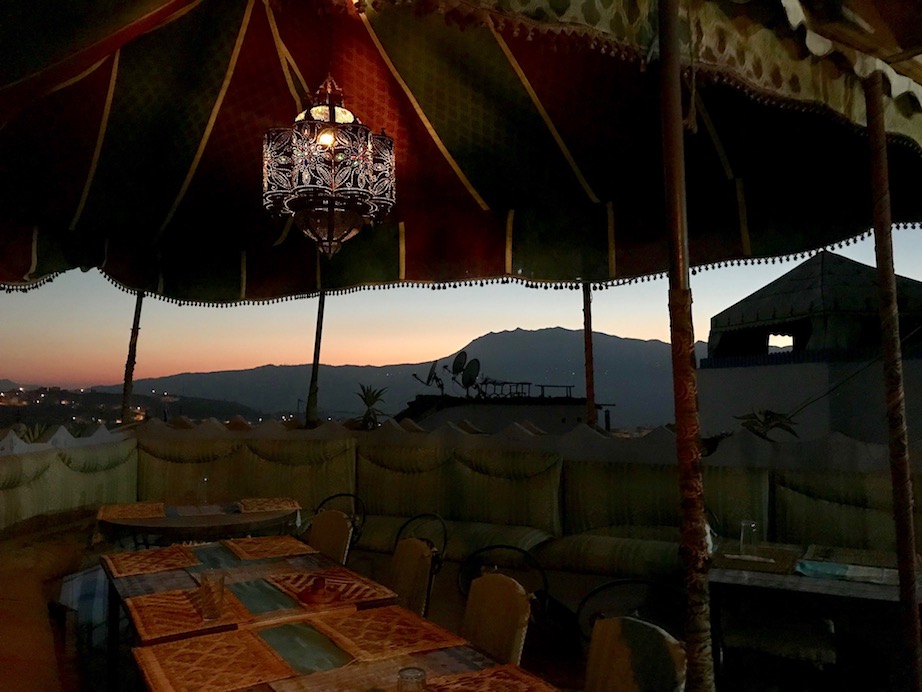
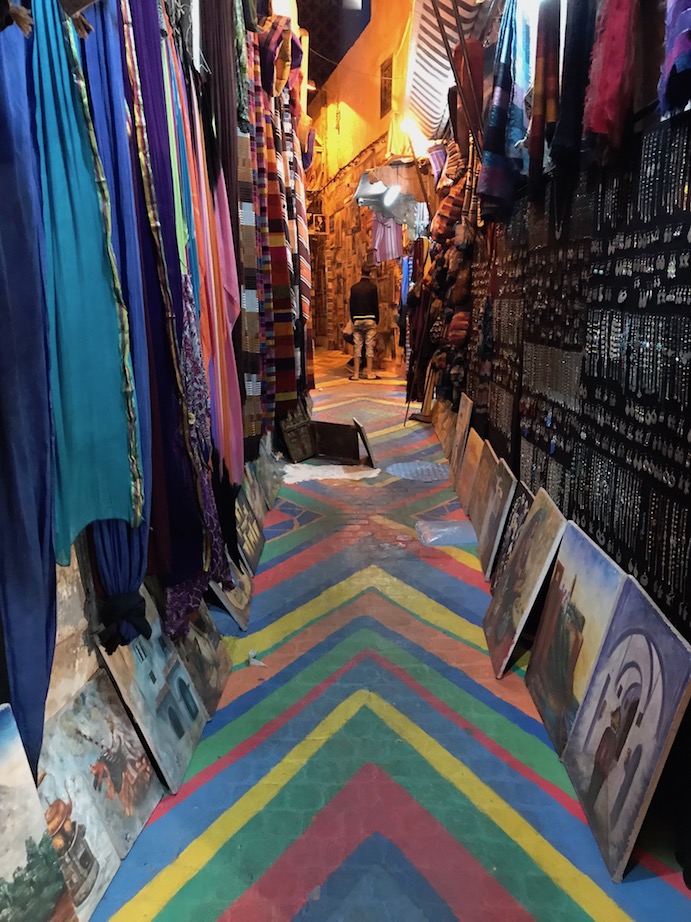
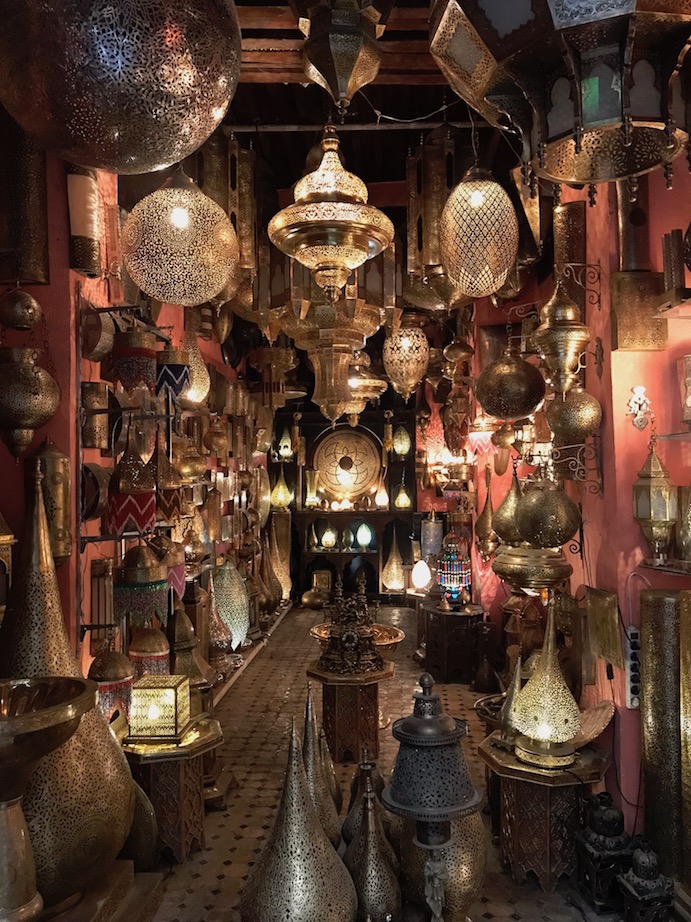
Chefchaouen is a beautiful town in the Rif mountains. It’s famous for the various blue shades painted all over the walls and grounds in the Medina, hence the nickname the Blue Pearl. The blueness is best experienced while walking in the medina, but can also be taken in from outside of the village. We loved Chefchaouen for not only it’s beautiful color, but for so much else. The people were so kind and laid back. It was more touristy than Tetouan but everyone, including the locals, seemed to be enjoying themselves in a much more laid back atmosphere and it felt very welcoming. We stayed in a simple but comfy riad and took long strolls around and outside of the town. The area is also known for its copious cannabis growing. In fact, we found out that Morocco supplies something like 70 or 80% of Europe’s supply, making it a top producer globally. Apparently some of the longer hikes around Chefchaouen take you through the cannabis fields, and it is supposed to be a pretty relaxed and pleasant (not scary) environment. We didn’t do those hikes (no, really), but definitely were invited to people’s farms to check out the goods and drink some tea. We politely declined those offers though they were some of the least pushy, least sketchy offers to see “workshops” that we encountered, no sketchy vibes. All just friendly folks trying to make a little cash and proud of their chosen “craft”.
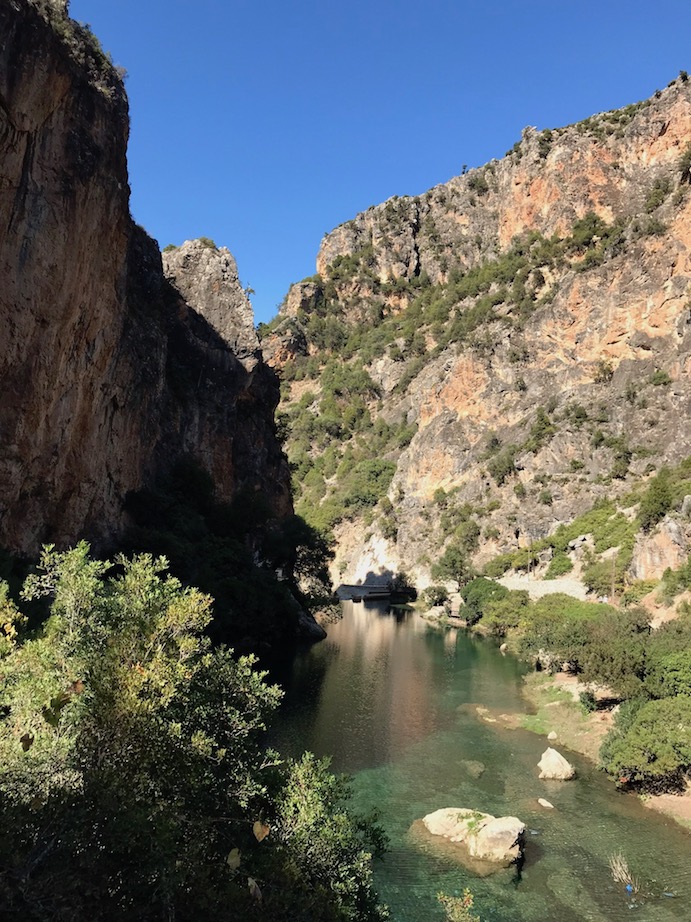
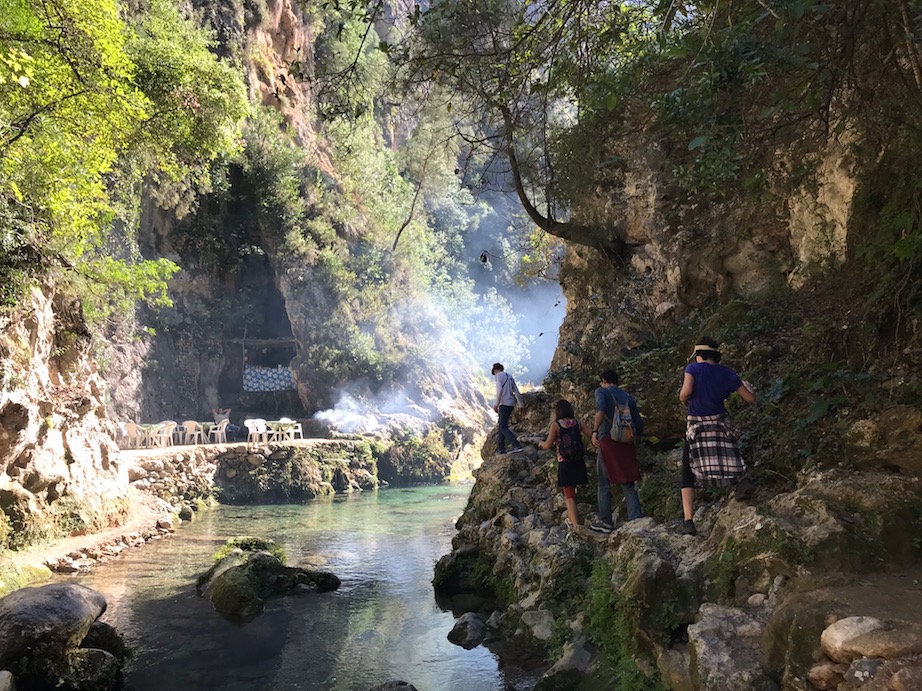
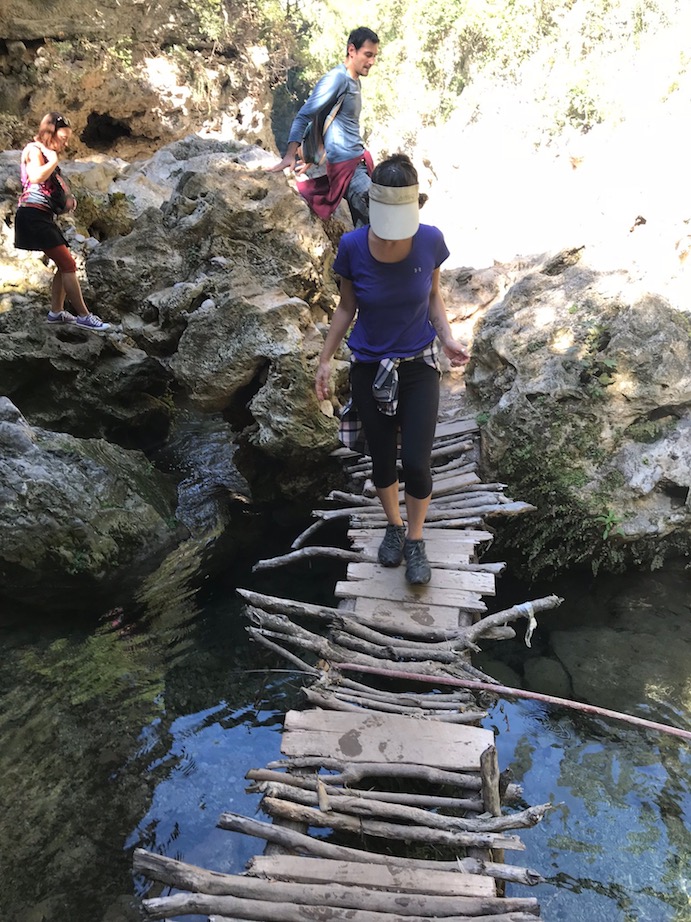
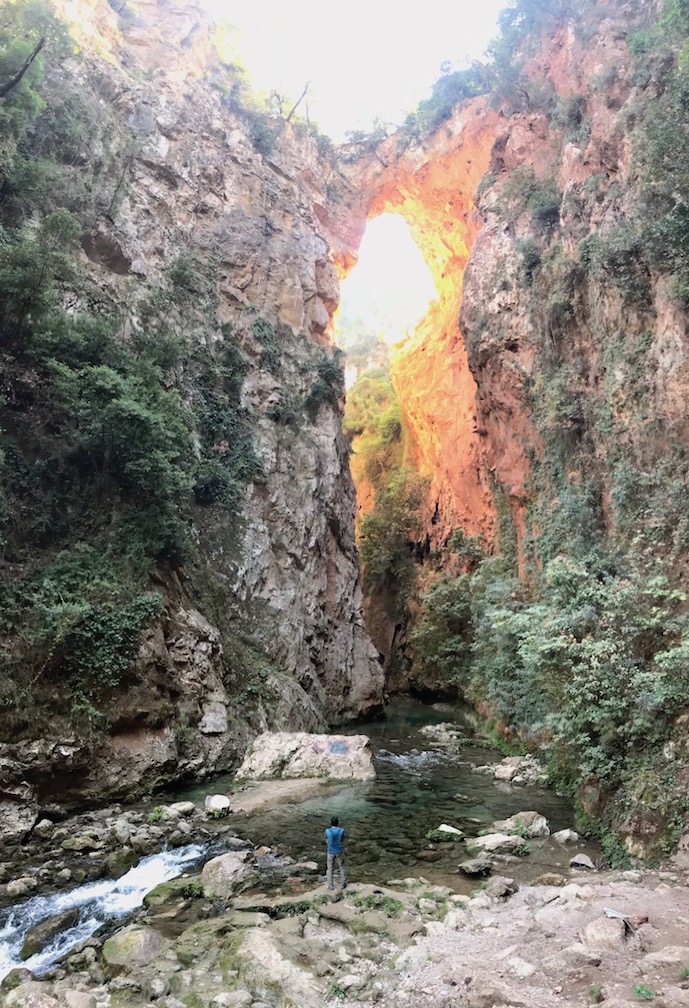
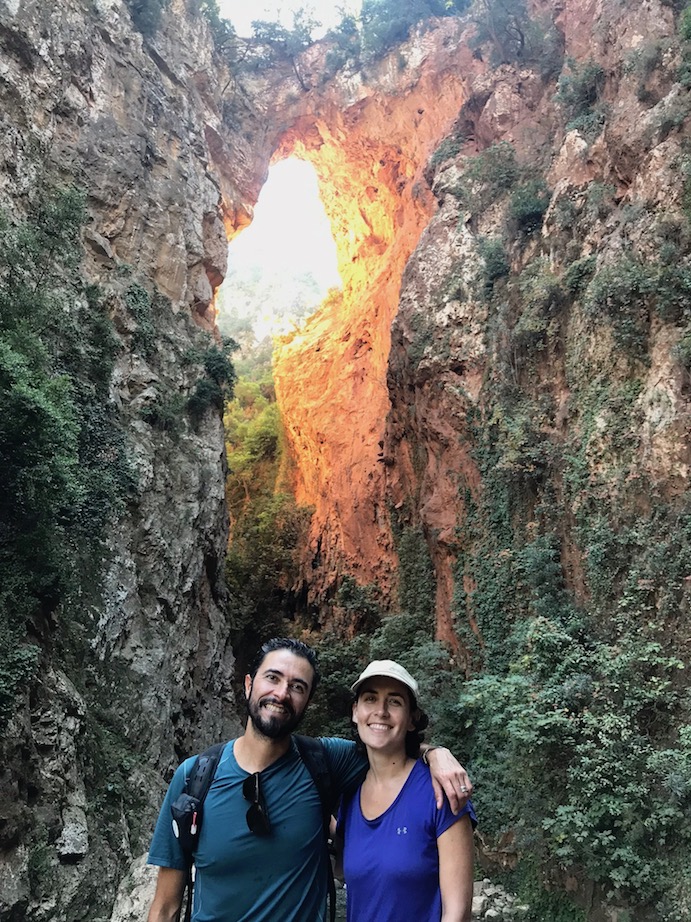
One of our days was spent taking a “collectivo” taxi (one that you share with others) to the town of Akchour near the Parc National de Talassemtane. We spent the day hiking around with a local guide, visiting some waterfalls and the incredible God’s Bridge with some Italians we picked up along the way. It was a perfect day to be out in nature. After a few days in Chefchaouen we said “Shokran!” to the Blue Pearl and moved on to Fez by bus.
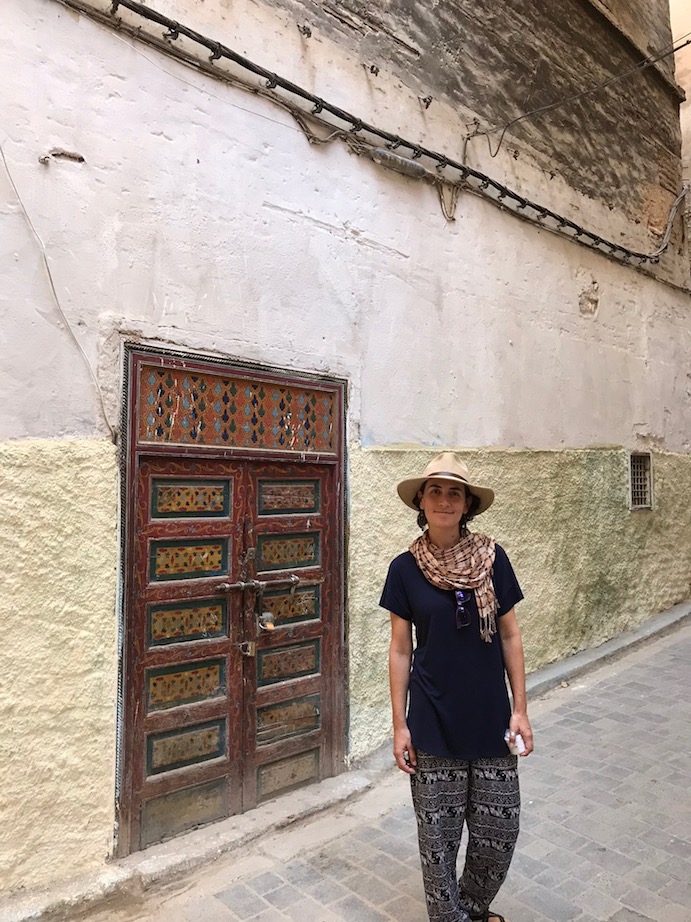
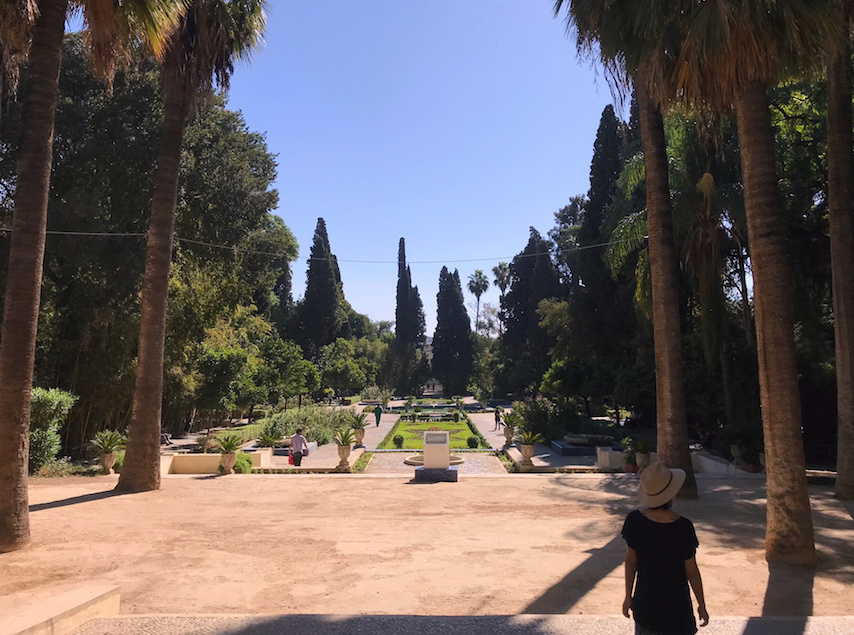
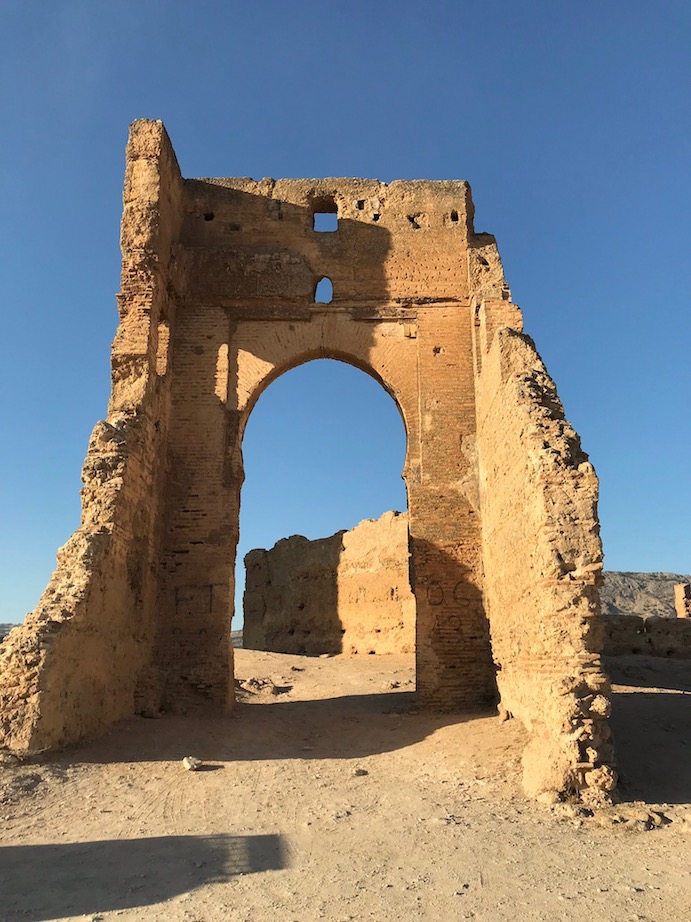
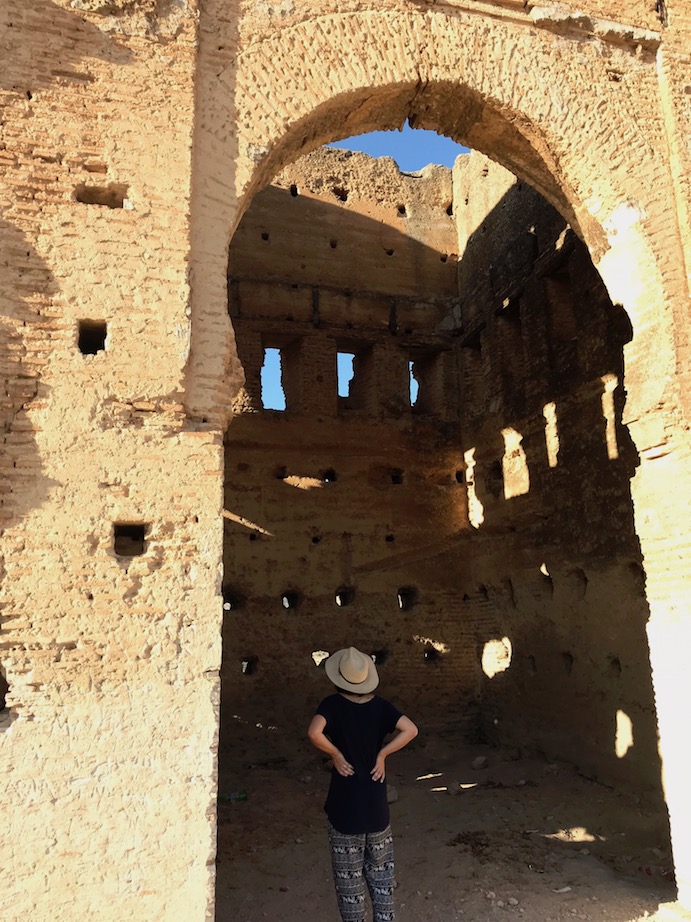
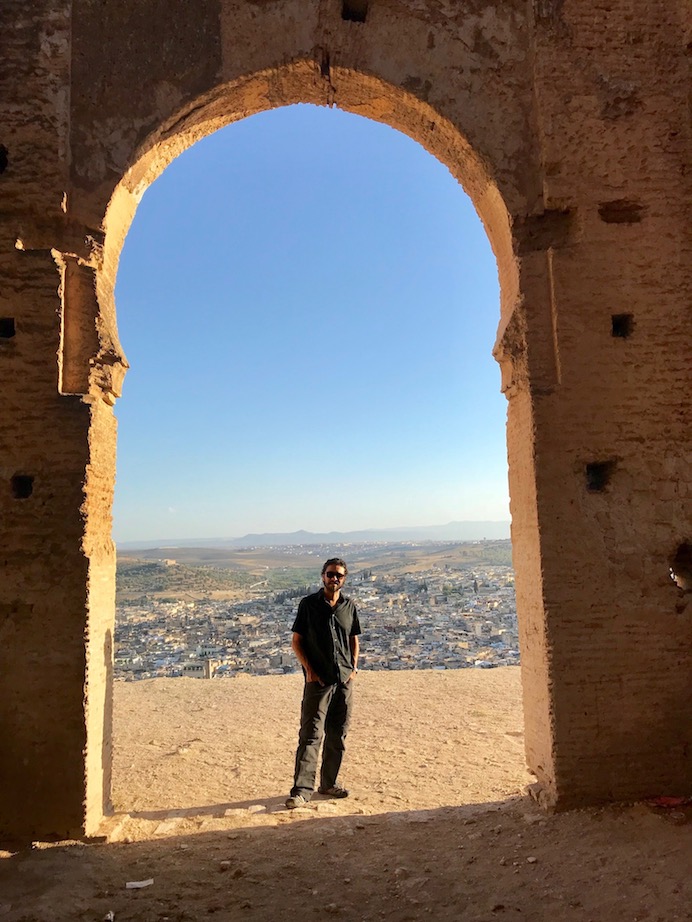
We had prepared ourselves for Fez to be a little overwhelming and quite different from Chefchaouen, and it did not disappoint. But we loved it! Some people aren’t super charmed by the intense and maze-like atmosphere in the medina and it’s understandable, but we had a blast getting lost. And in fact, we didn’t even have that hard of a time finding our way around. We stayed in a simple hotel right outside the main bab (gate) so it was a great way to get our bearings because there were signs to the bab along the paths in the medina. Our only complaint was honestly the huge tour groups trying to squeeze their way in through these tiny streets (much like Venice actually). Some other Fez highlights were the Merenid tomb ruins right outside of town with a fantastic view of both the old and new medinas, and of course the inevitable leather tanneries. We say inevitable because it’s a big thing to visit and you cannot escape the people asking if you want to see them while waving mint leaves in your face (for the smell). It is really neat to see and smell, though, and we are happy we checked them out.
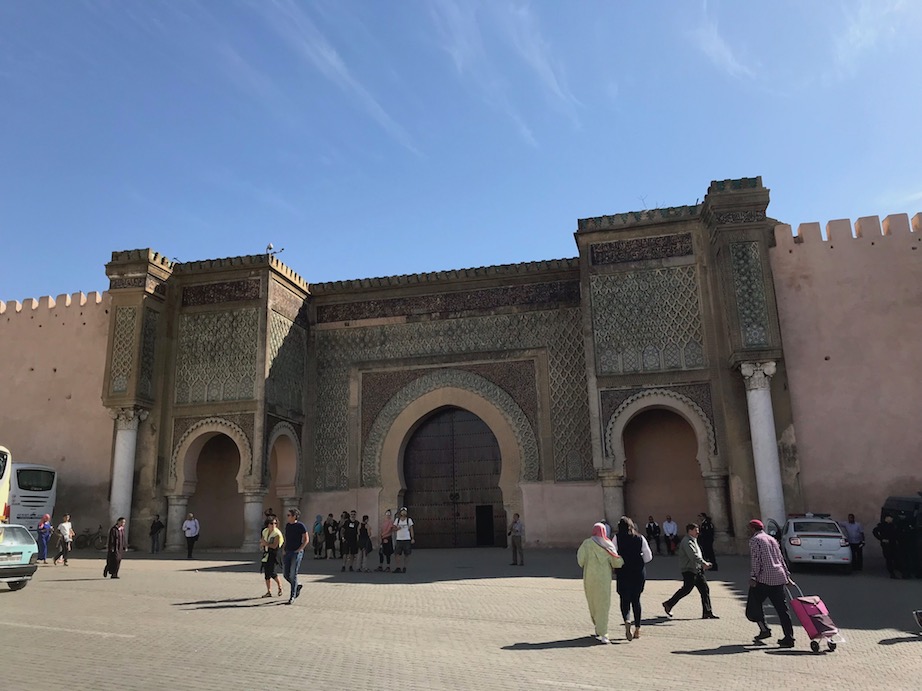
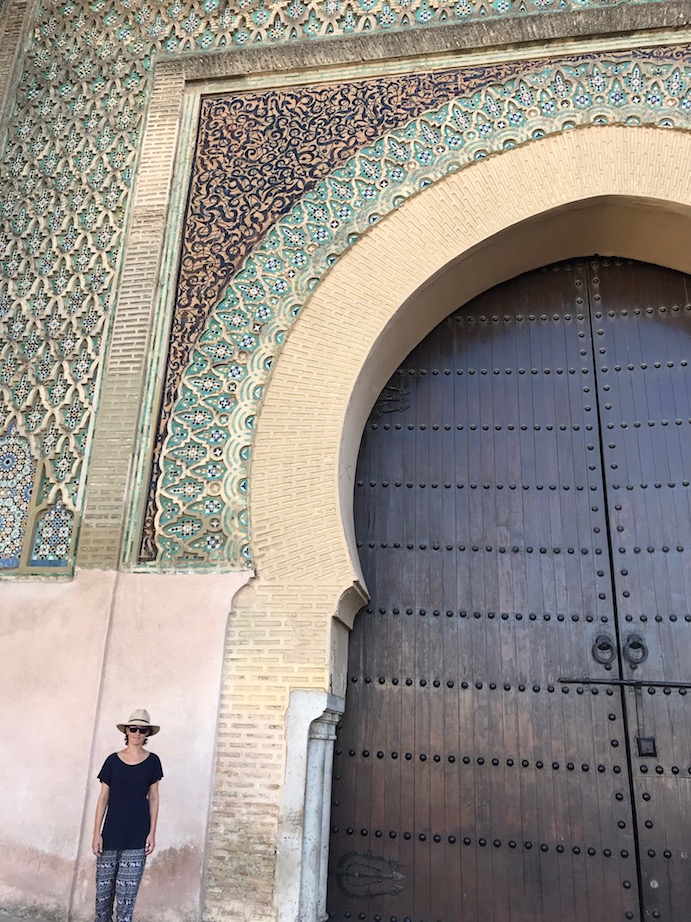
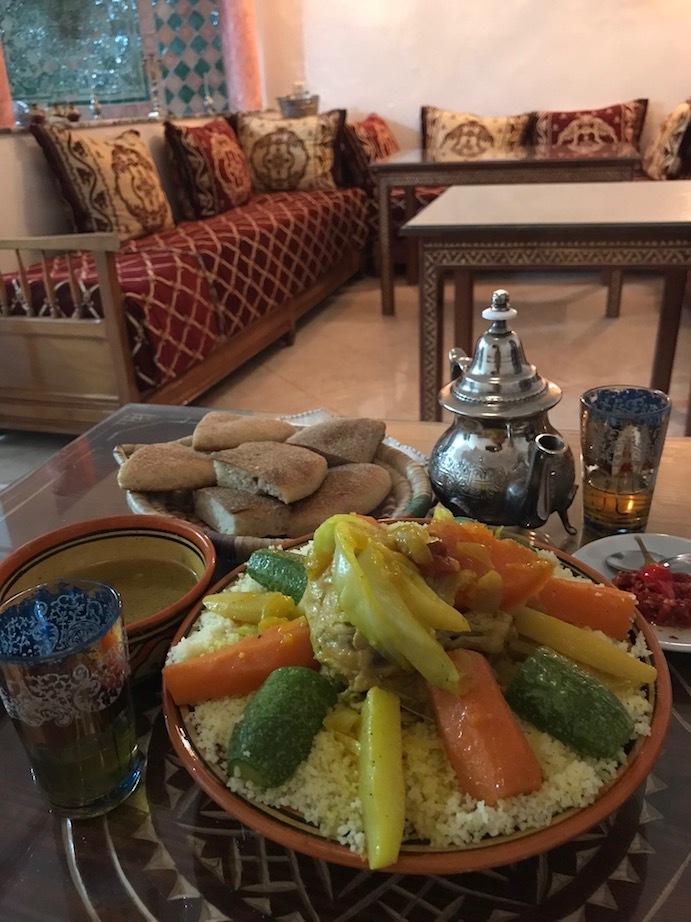
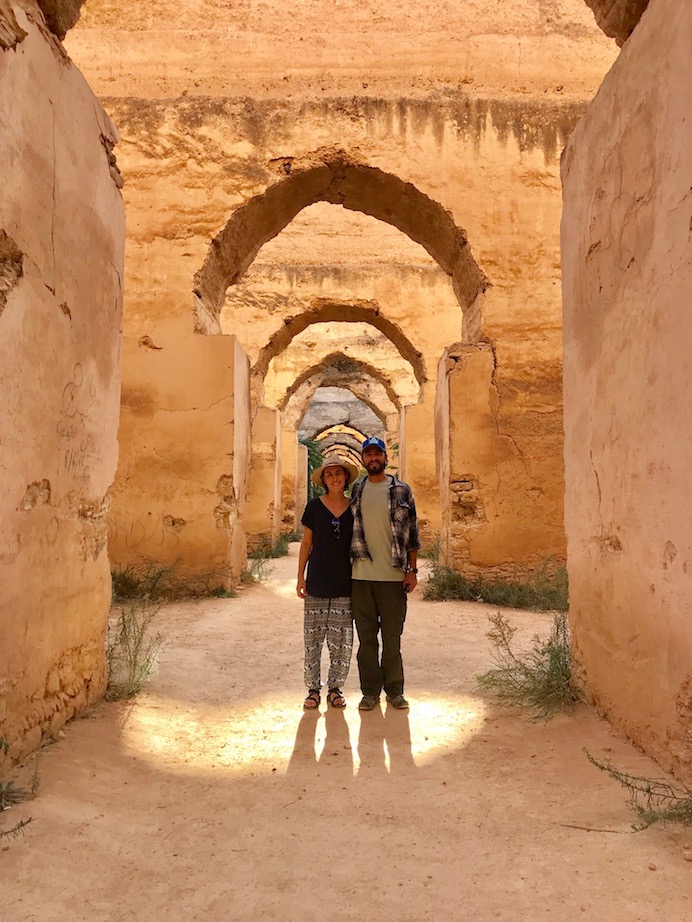
After Fez we visited nearby Meknes for one night before moving on to Rabat. We had a nice walk around the medina per usual, and really the main thing we wanted to see were the royal granaries and stables constructed during Moulay Ismail’s rule. The buildings stored huge amounts of food, water, and horses. How much food, water and horses you may ask? THE PLACE COULD HOLD ENOUGH GRAIN TO FEED 12,000 HORSES FOR 20 YEARS!!!!!!!! It was surreal walking through the cavernous rooms and outdoor archways taken over by vines and other plants. The place is truly amazing despite it only being a vestige of what it used to be before it was destroyed in large part by an earthquake. That night we had a delicious dinner at a lovely little restaurant run by our server’s mother. Those are the best kind.
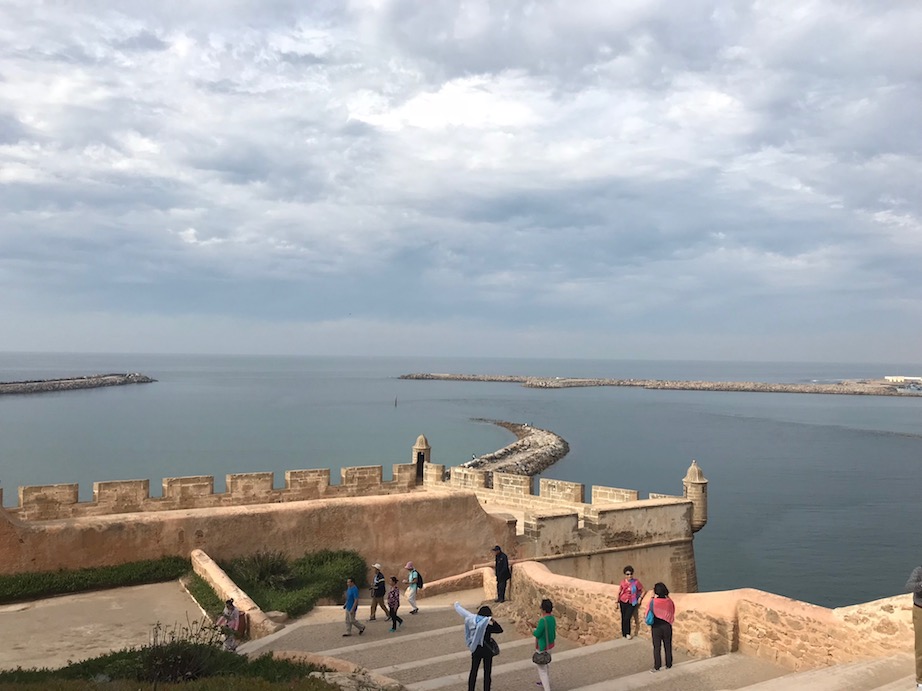
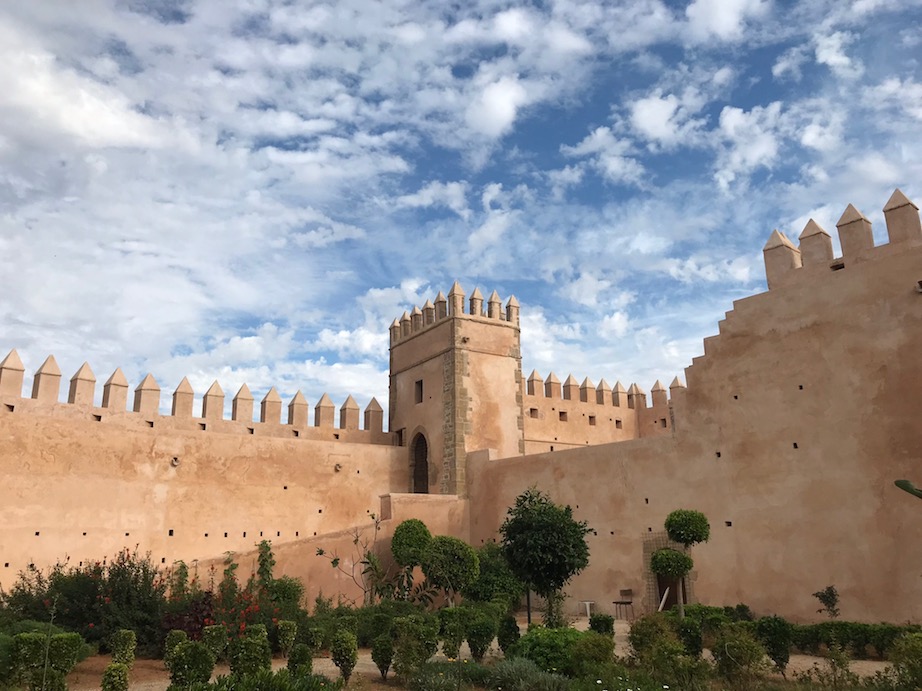
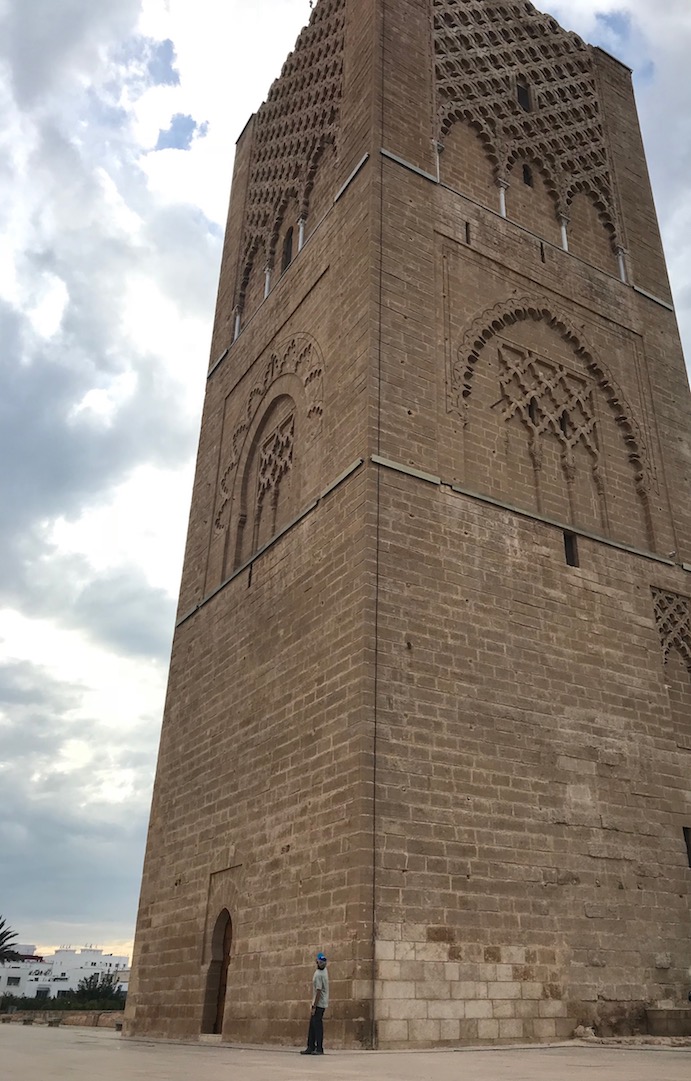
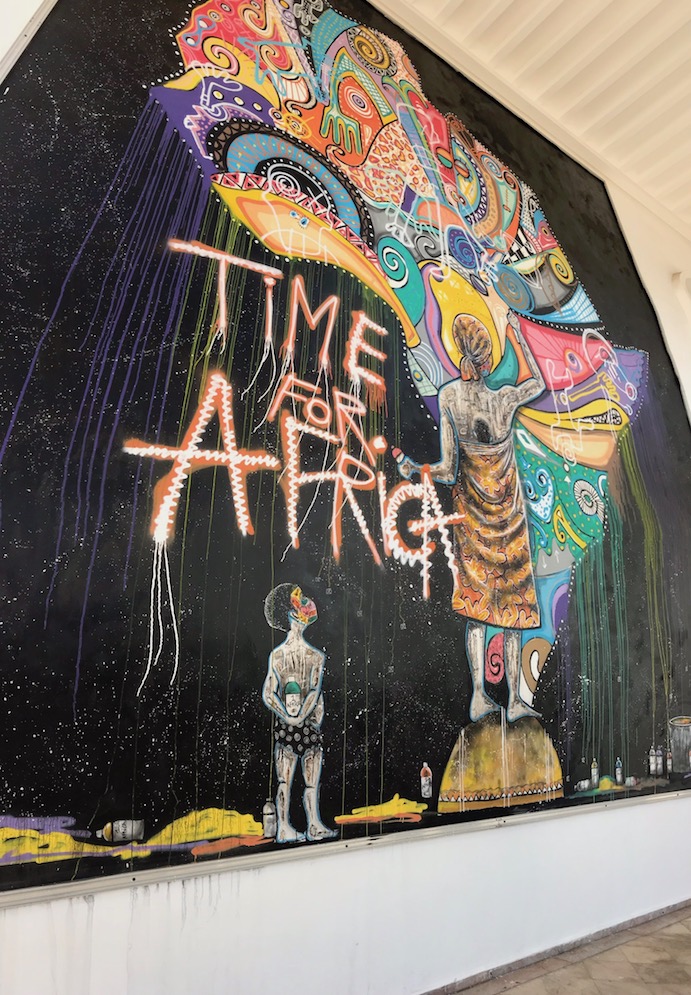
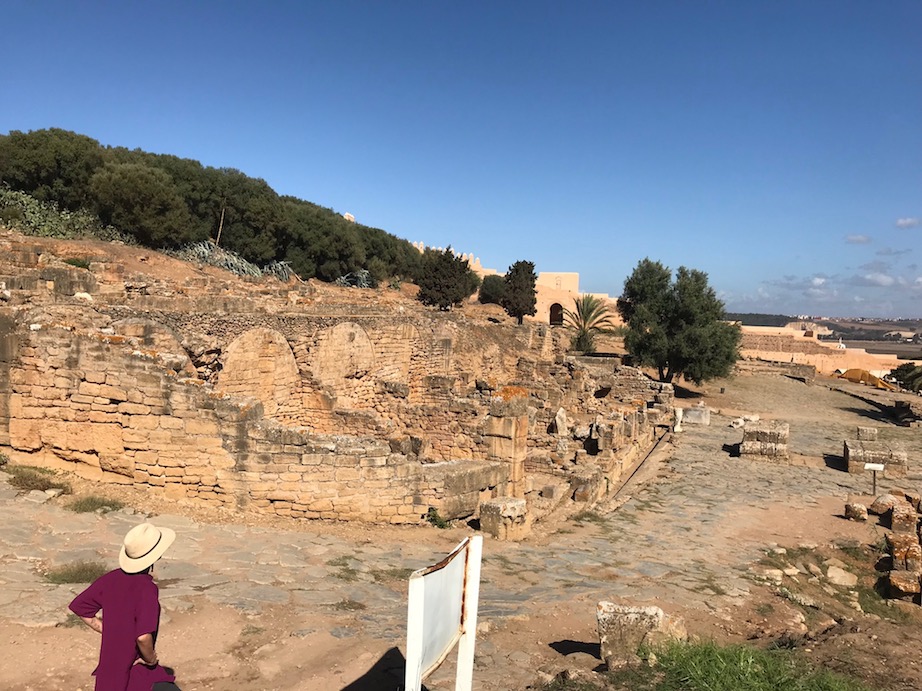
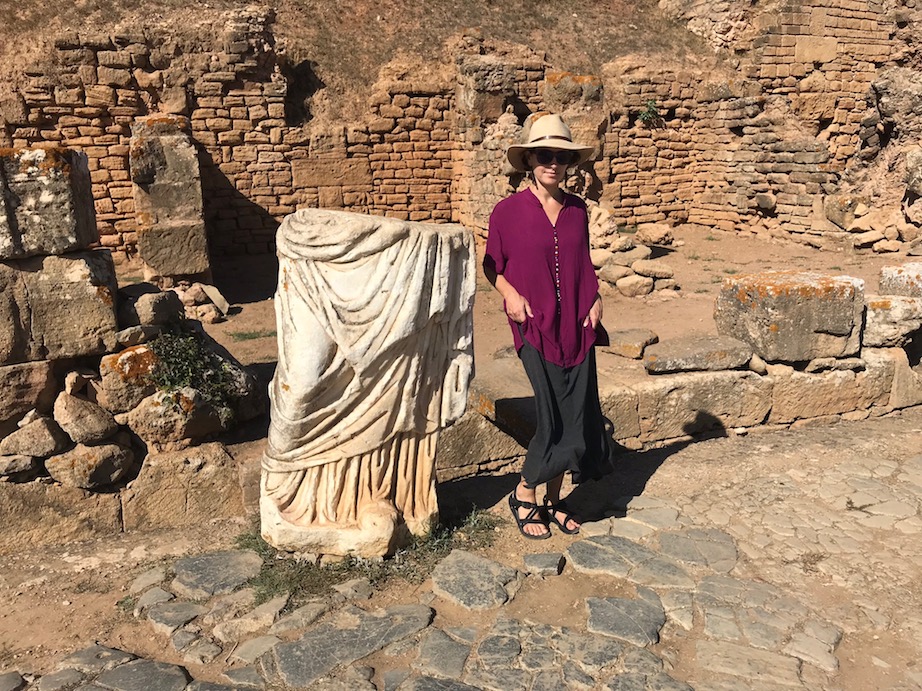
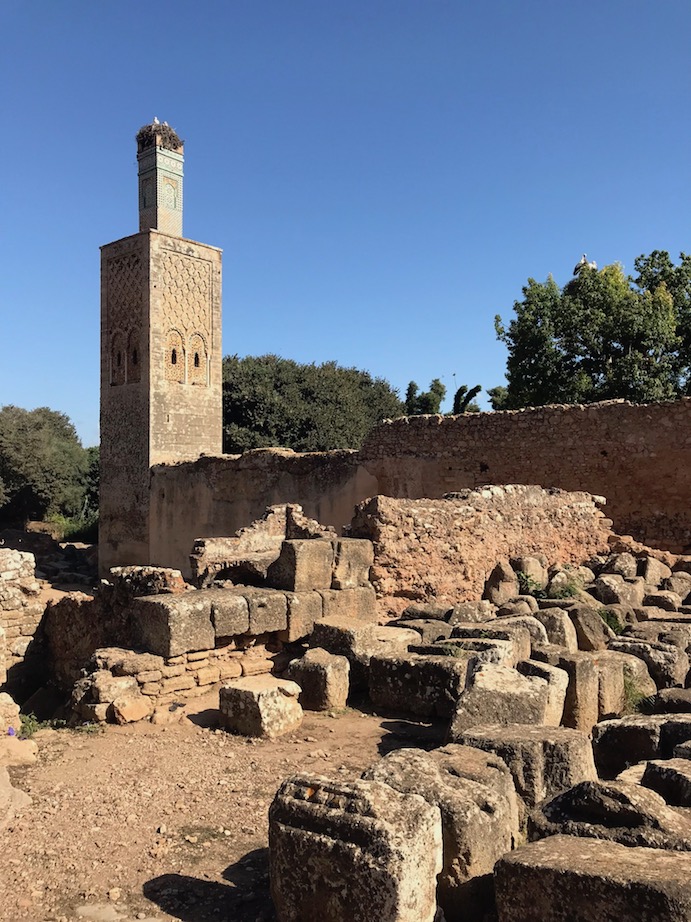
After Meknes it was back to the coast to Rabat, the capital. We went back and forth deciding on whether to visit, and we are so glad we did. We really liked the town, it had some interesting things to see like museums and a famous half-finished minaret that was enormous (as well as the even less finished mosque). It also had a river running through the town which Laura especially loves and nice riverside and seaside infrastructure to walk along and enjoy the views. One major highlight was the Museum Mohamed VI of Modern and Contemporary Art. Great works by Moroccan, French, and Spanish artists. Another major highlight was the Chellah site with both Roman and later Islamic ruins. As had become almost routine we were flabbergasted by the amount of building upon building upon building of empire that the ruins represent. All of it was awesome, and Rabat turned out to be one of our favorite spots to visit.
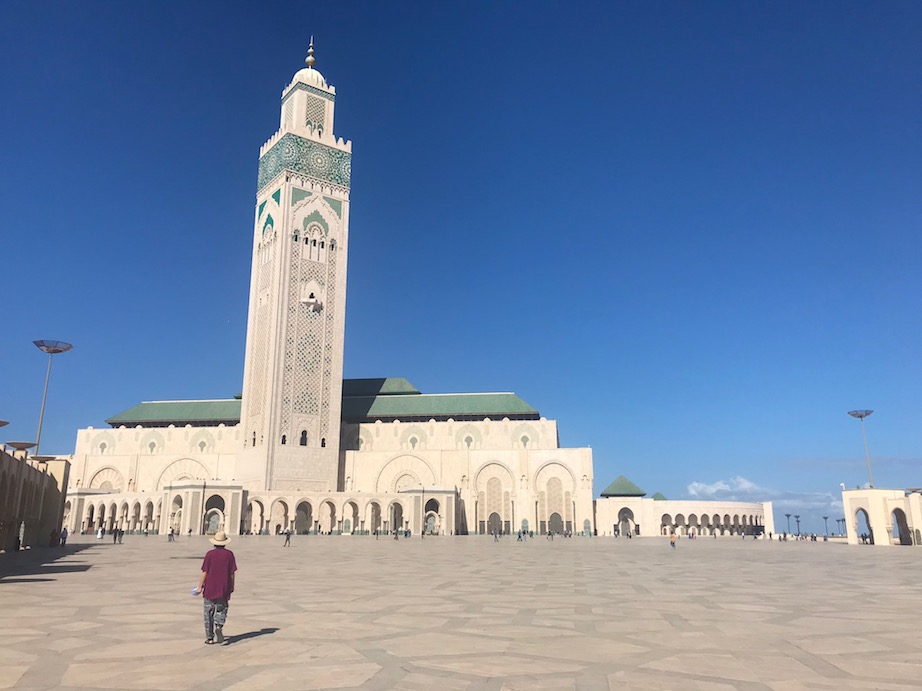
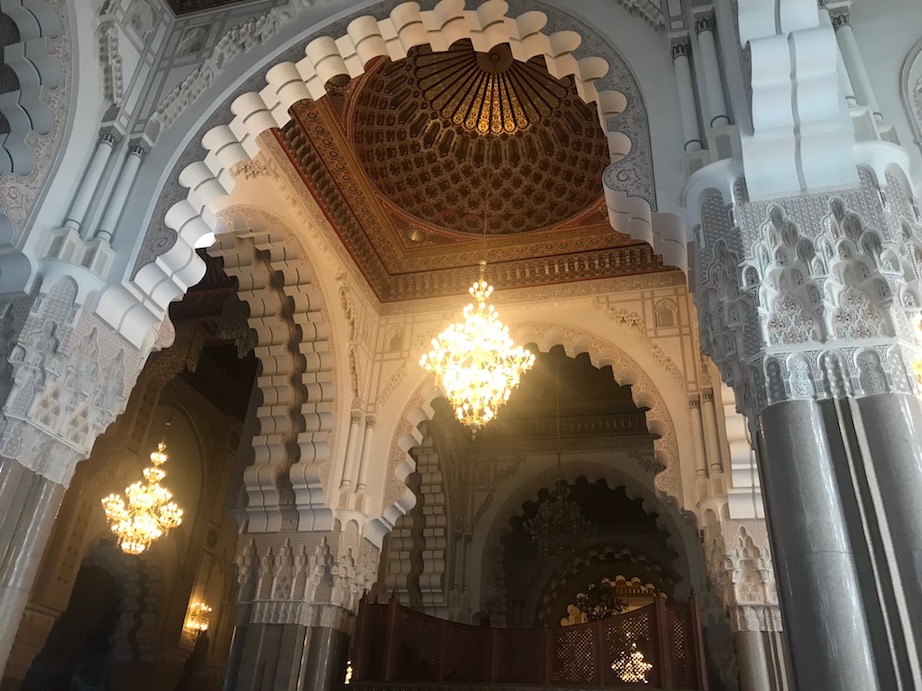
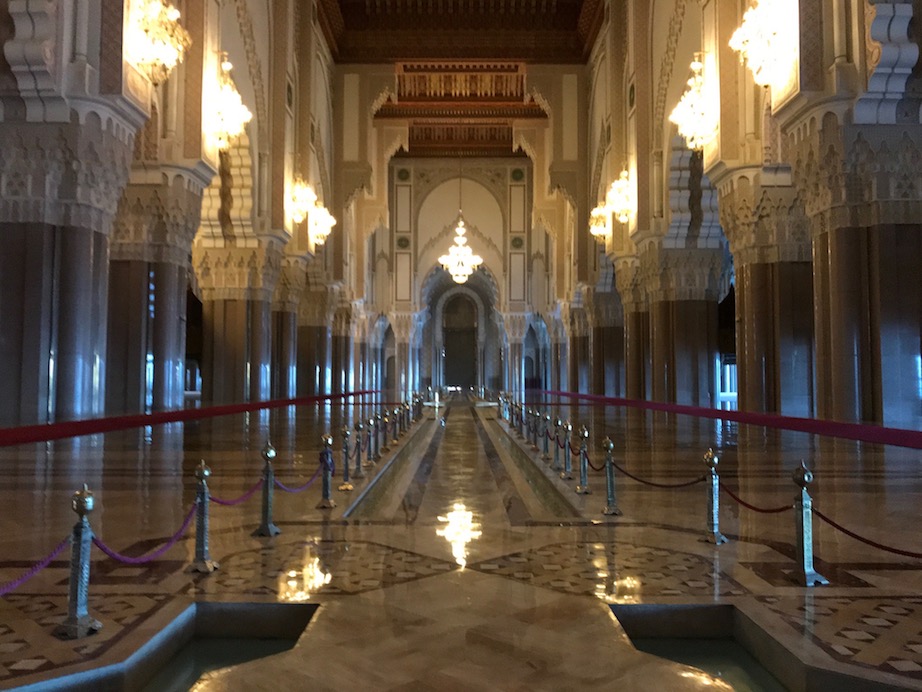
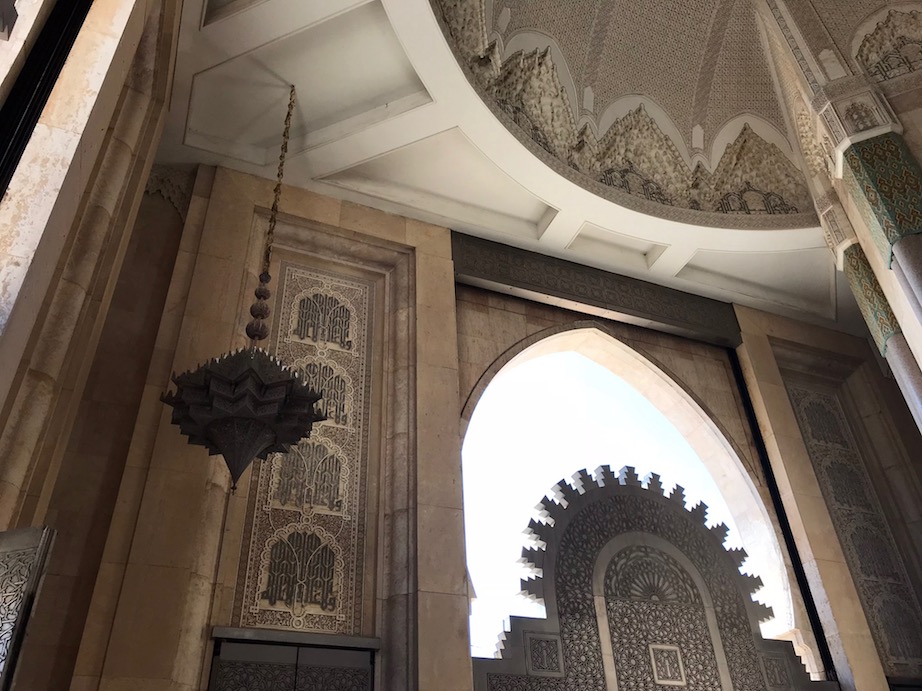
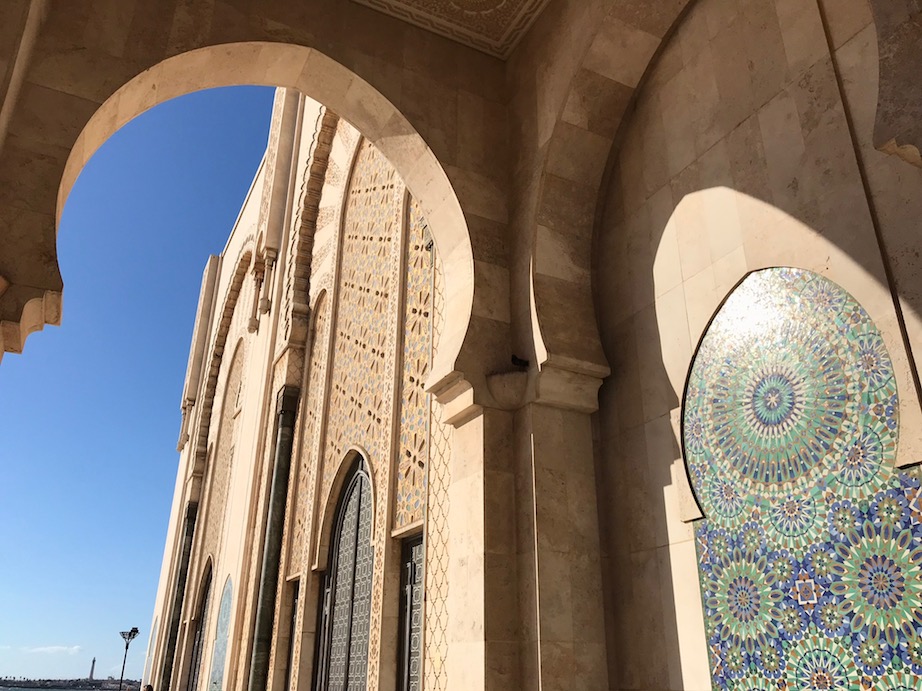
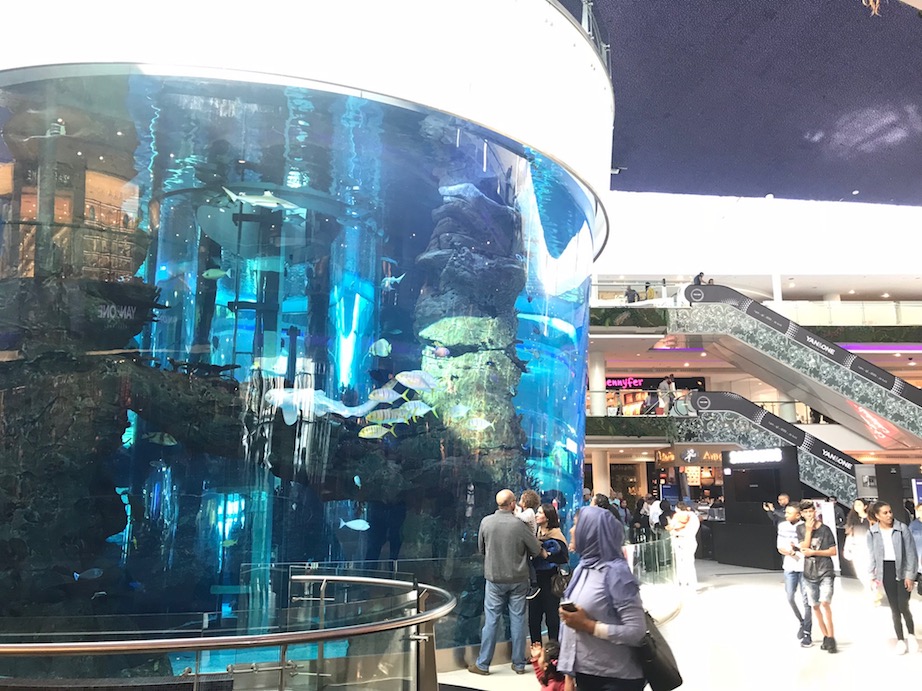
Last stop before we headed to Marrakech was Casablanca where we only spent two days because we knew we would be also ending our journey here. It was just enough time to do the two big things to do there – walking along the coastal walkway and visit the Hassan II Mosque. For the former, we had a great 10k walk from the mall where we got dropped off (which had a two story aquarium inside!), all the way down the beach, through the corniche, down to the mosque. The visit to the mosque was absolutely breathtaking, and if someone only does this one thing in Casablanca then it is worth it to go. It is the third largest mosque in the world. It employed 2,500 laborers and 10,000 craftsmen! . . . and in contrast to most construction projects of this magnitude in the U.S., THEY FINISHED THE THING IN SIX YEARS!!! It was a mind-blowing architectural, engineering and construction achievement and really exciting to visit, especially since we couldn’t go into any other mosques as non-Muslims. The pictures can’t really do it justice. The mosque was enormous and the inside was beautifully decorated of course and just crazy big. The guide was funny and warm, and the whole experience was just great. Interestingly enough though, the call to prayer wasn’t that loud. Huh . . .
Now it is time to make our way out to the desert, but first Marrakech (and Laura opens her first pull tab soda)!
Maroc Part II